

Stem Cell Treatment for
Degenerative Disc Disease
Degenerative Disc Disease can be a major cause of back pain, reduced mobility, and may negatively affect overall quality of life. In degenerative disc disease, certain structures of the spine, including nerve roots, muscles, and a host of support tissues can be compromised by direct pressure, inflammation, and reduced space between the vertebrae.
Our stem cell treatment for Degenerative Disc Disease consists of depositing allogeneic mesenchymal stem cells inside the damaged areas of the back to regenerate the worn-out tissue and cartilage that is affecting the joints and causing the pain, reducing the range of motion, inflammation and limiting the overall proper functioning of the back.
Benefits from stem cell treatment for Degenerative Disc Disease can vary from patient to patient depending on many factors including current health condition, medical history, level of damage and other factors. It is important to understand that although the use of allogeneic mesenchymal stem cell injections for nerves or muscles regeneration has shown some of the highest efficacy for treating this condition, patients undergoing this treatment should not create the false expectation of a guaranteed cure.
How is our stem cell therapy-transplant for Degenerative Disc Disease done in Mexico?
Our stem cell treatments for Degenerative Disc Disease uses allogeneic mesenchymal stem cells obtained from an exclusive cryopreservation process that ensures more than 97% viability at the time of transplantation, combined with Platelet Rich Plasma therapy in order to achieve optimal functioning properties in the regeneration process of the tissues affected, this is the highest efficacy process available in Mexico, which operates under Good Manufacturing Practice (GMP), national and international standards of the Food and Drug Administration (FDA), the American Association Tissue Bank (AATB) and Official Mexican Standards corresponding to the General Law of Health.
The procedure is a minimally invasive treatment, in which adult stem cells are injected directly into the joint area to help reduce the pain by decreasing inflammation and repairing damaged tissue.

Stem Cell Therapy for Degenerative Disc Disease FAQ’s
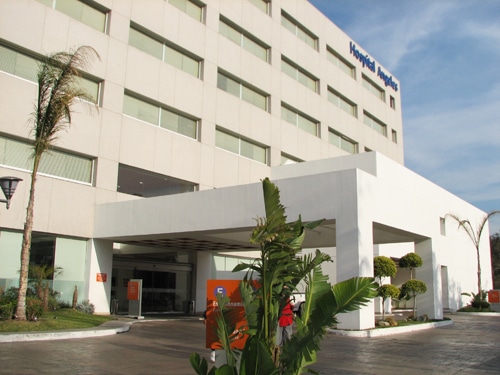
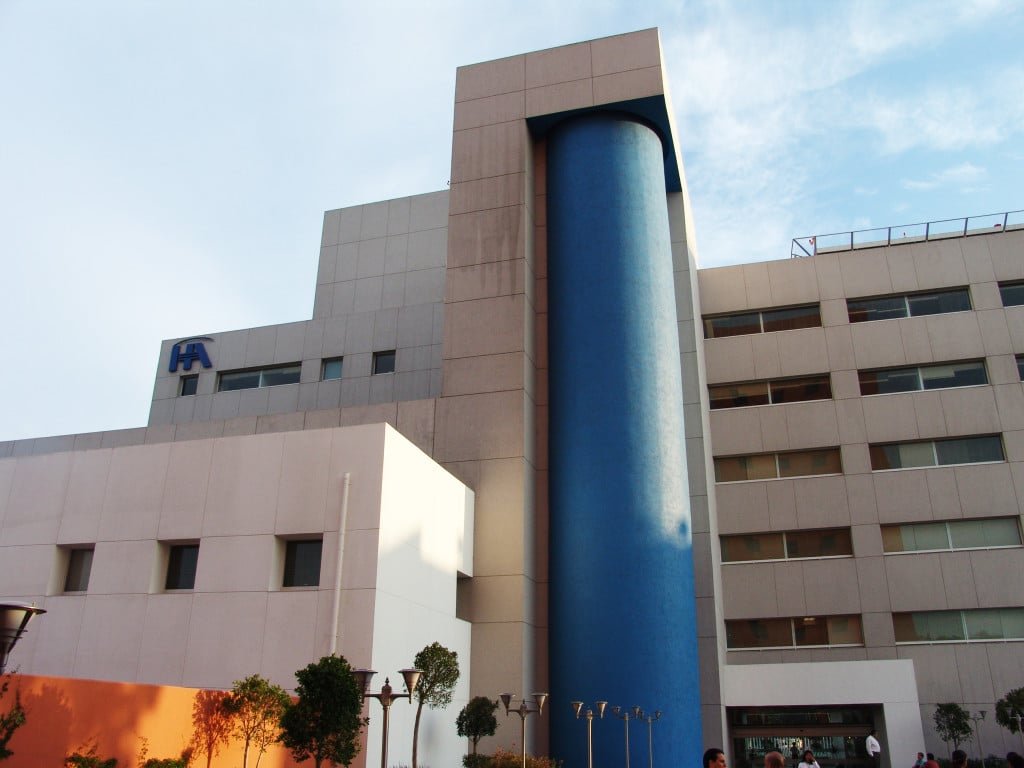
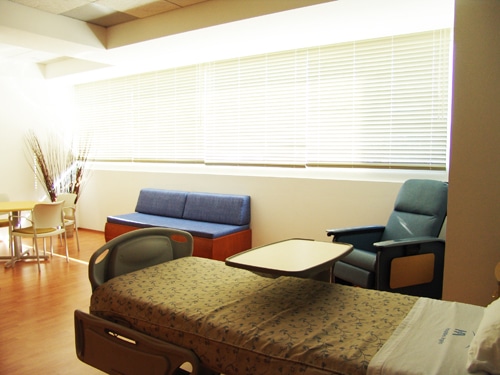
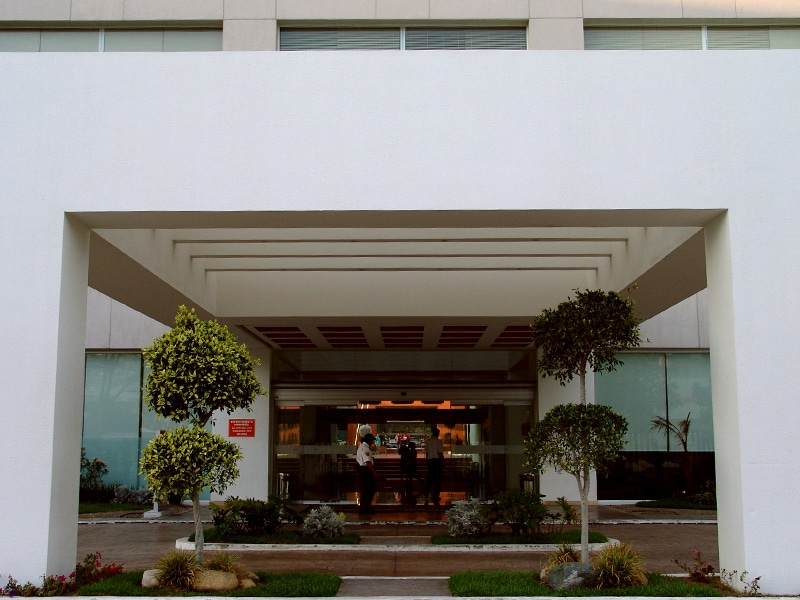
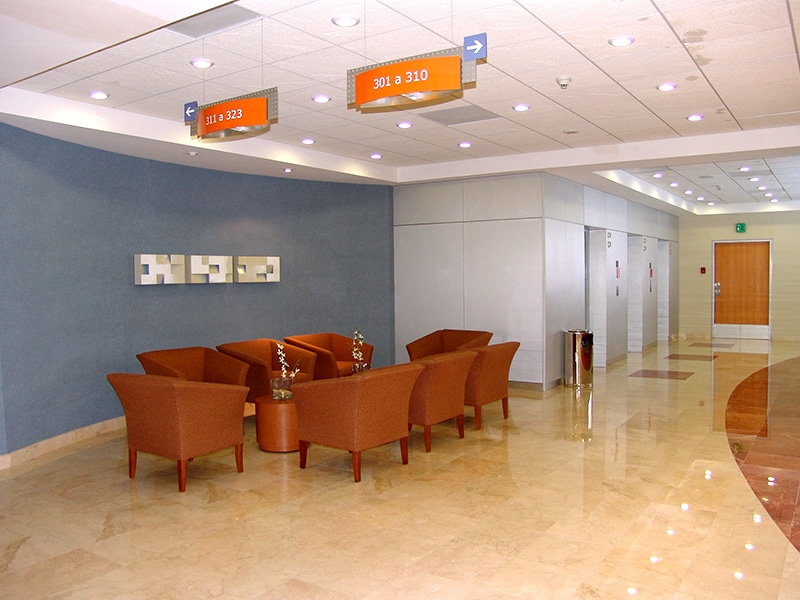
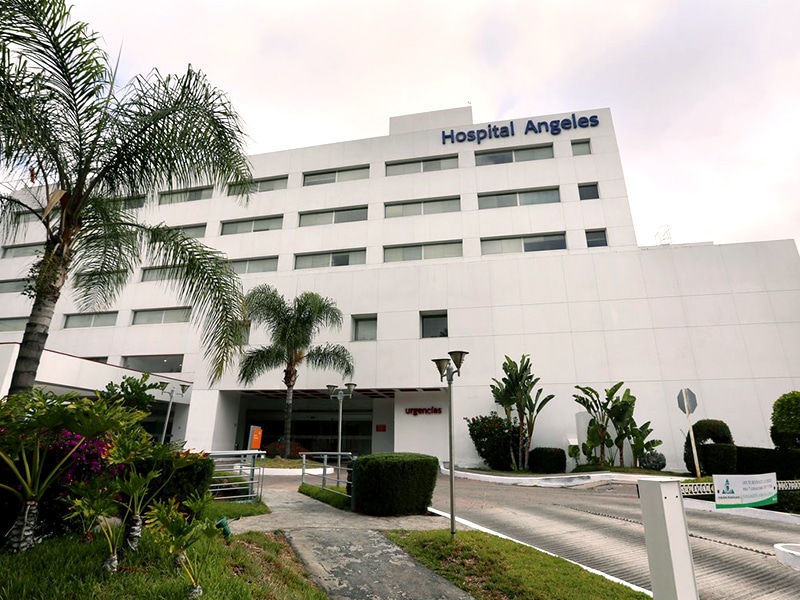
Stem Cell Mexico is a team of board-certified specialist led by our chief medical director Cesar Amescua, an experienced and recognized stem cell treatment specialist, anesthesiologist and pain medicine expert with over 30 years of practicing experience. He also serves as medical director for the prestigious Angeles Hospital in Tijuana (where we are currently located) and is one of the most reputable names in the medical community in Mexico. Dr Amescua specializes in the treatment of a wide range of chronic pain conditions such as low back pain and neck pain, neuropathic pain, spinal cord stimulation, osteoporosis, persistent post-operative pain and complex regional pain syndrome (known before as reflex sympathetic dystrophy), uncommon form of intense chronic pain, failed back surgery syndrome and pain.
How does our stem therapy treatment for Degenerative Disc Disease process work?
All our stem cell treatments in Mexico are reviewed and administered by subject manner specialist in the area trained in US and Mexico, not just general doctors or physicians, to ensure the highest level of precision, understanding of the condition and quality of treatment for our patients. We are 100% clear and honest with our patients, not everyone is a candidate for our stem cell treatments, we turn-down many patients where the our specialist evaluates the current health condition and medical history and deems not a good fit for the treatment, to avoid false promises or expectations when the risks outweigh the benefits. For this reason and to ensure patient safety in all our treatments, all our patients get evaluated by the specialist before being able to schedule their treatment.
Step 1. Specialist Evaluation – For Degenerative Disc Disease patients, our specialist will need to know the patient’s age and previous medical treatments. In addition, will need to review your MRI of Treating Area.
Step 2. Specialist Phone Consultation (Free) – Once the specialist has reviewed the medical records and approved your case, we will present options and pricing, at which point we will also offer a free phone consultation to discuss questions and concerns.
Step 3. Stem Cell Preparation – Once the patient decides to get our treatment, we will send a deposit invoice to begin the stem cell preparation process to be ready in time for the scheduled treatment. This process can take anywhere from 5-10 days depending on current demand and availability.
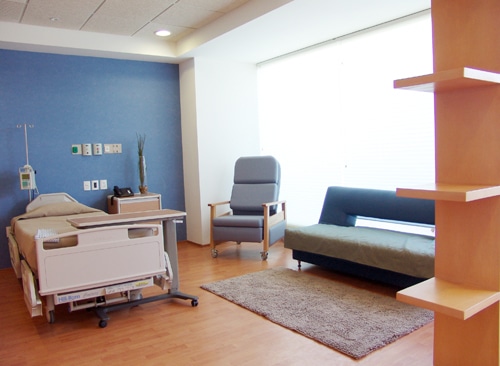
Step 4. Treatment Day – The day of the treatment, patients can either arrive at our hospital location or decide to get our complimentary round-trip ground transportation from any point within San Diego area into our hospital premises in Tijuana and back. Our driver will pick you up at the desired location and accompany you into our clinic where the specialist will administer your treatment, and then take you back.
Step 5. Treatment Follow-up – Our follow up specialist will check in with you according to our follow up calendar for your specific treatment to ensure you have all the tools at your disposal for maximum benefits.
Stem Cell Therapy Mexico Patients
Our patients are our biggest advocates, listen to their stories,
questions, doubts, experiences.
Thank you Pamela for sharing your Stem Cell experience with us.
Enjoy the journey as you strive for wellness. Thank you so much for trusting us Melisa
Thank you Alexander for sharing your Stem Cell journey.
Stem Cell Treatment Center in Tijuana, Mexico
Chief Medical Director Dr. Cesar Amescua
Stem Cell Therapy Mexico is the leading and most trusted name for stem cell treatments in Tijuana, Mexico. We help patients of all ages from around the globe, who suffer from complex illnesses and health conditions, which are believed not treatable through conventional medicine
Request a Free Evaluation
Receive specialist evaluation in less than 48hrs.